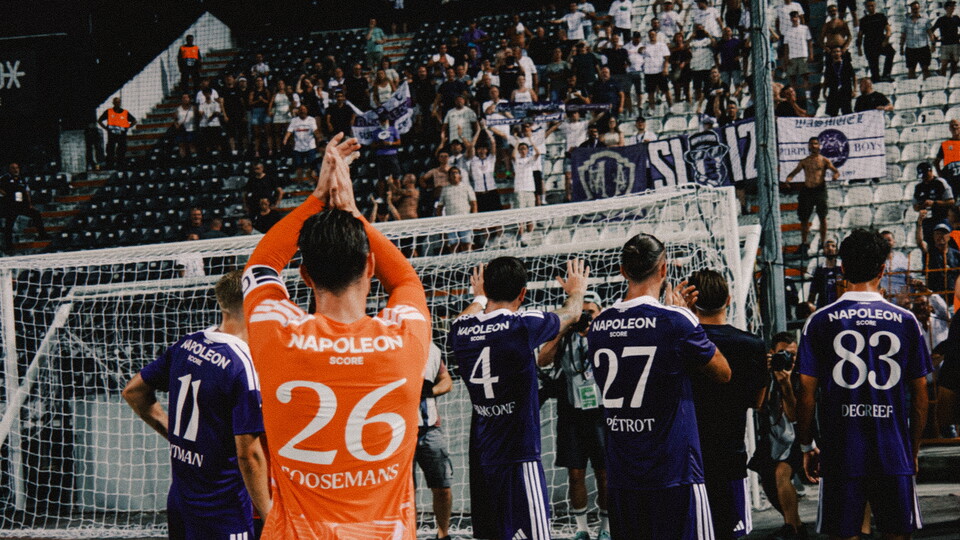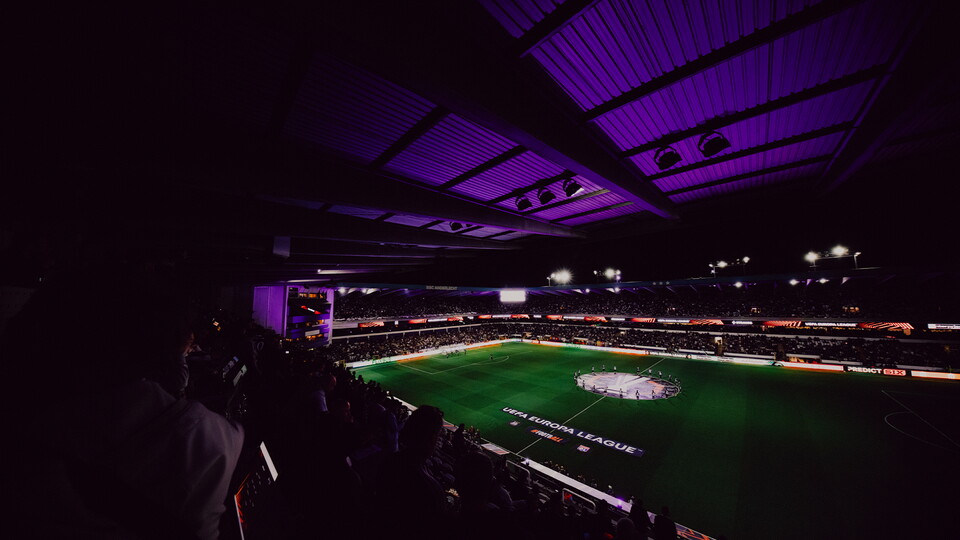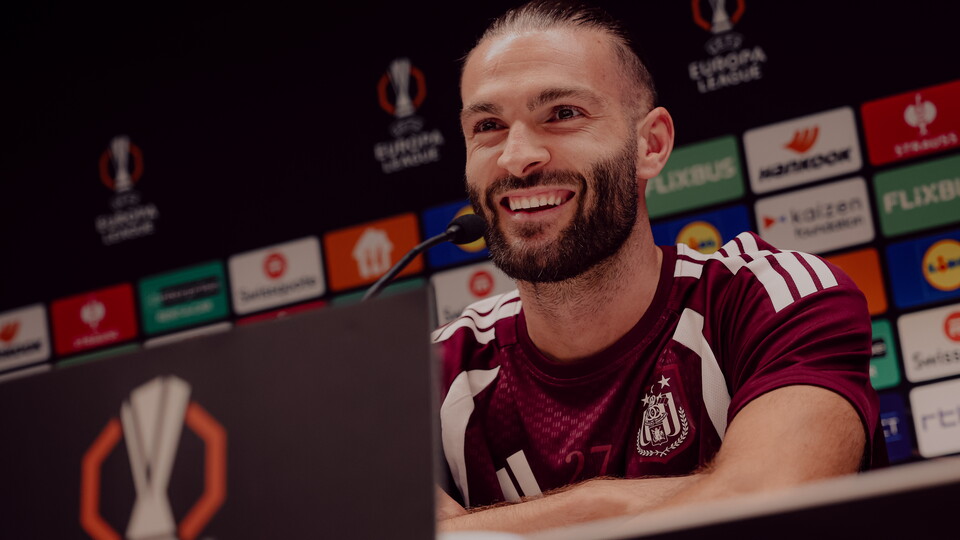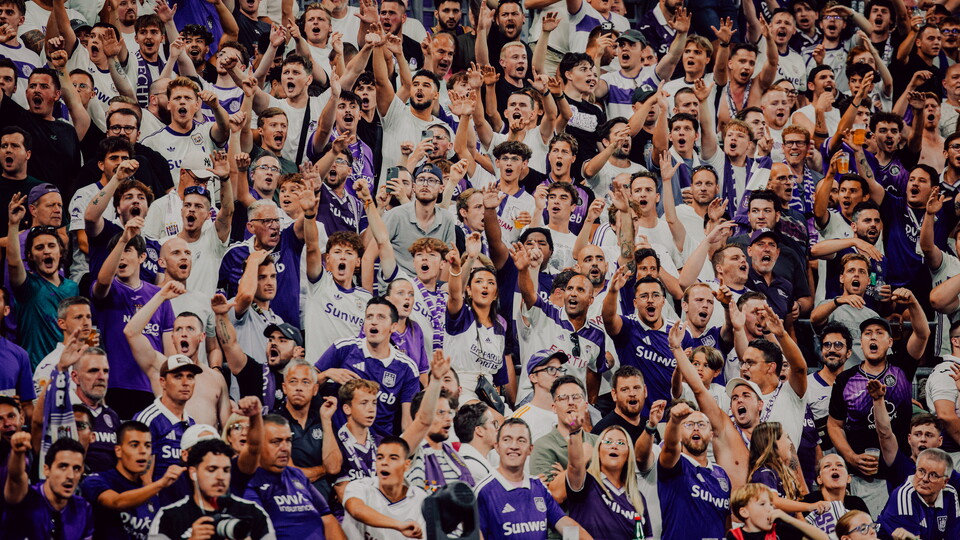
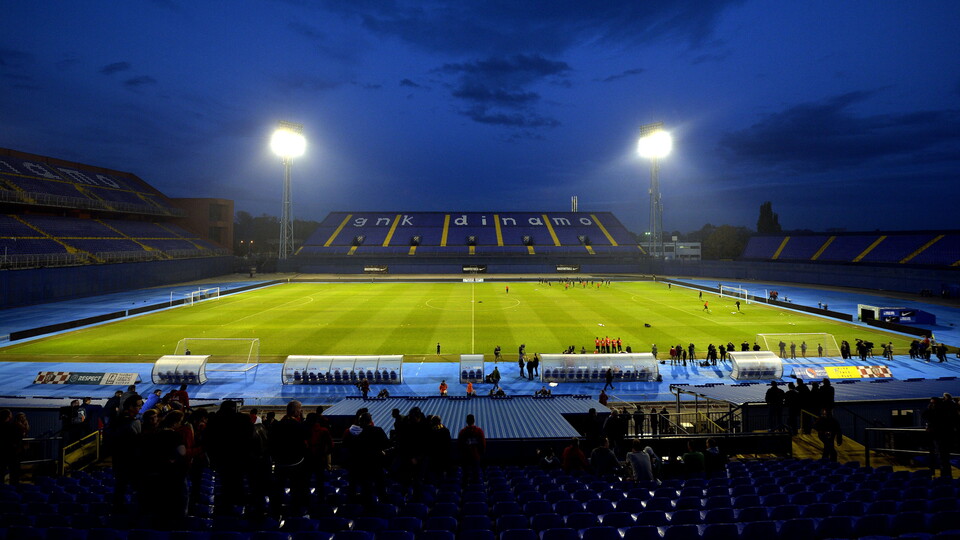
On Thursday, 15 October, the Mauves will travel to Croatia to face GNK Dinamo Zagreb in the Europa League. On the opening matchday of the League Phase, Anderlecht lost at home to Lyon, while the Croatians drew away against Beer Sheva. Get to know the most successful club in Croatian football, its rich history and its previous European encounters with the Mauves.
GNK Dinamo Zagreb was founded on 26 April 1911 under the name Prvi Hrvatski Građanski Športski Klub, meaning ‘First Croatian Citizens’ Sports Club’, when Zagreb was still part of the Austro-Hungarian Empire. Following the First World War, the collapse of the Austro-Hungarian and Ottoman Empires led to the creation of the Kingdom of Serbs, Croats and Slovenes, which became the Kingdom of Yugoslavia in 1929. In 1923, Građanski won the first national football championship in the country’s history. By the outbreak of the Second World War, the club had already won the title five times.
After the Second World War, the Socialist Federal Republic of Yugoslavia was established, a federation comprising six republics: Slovenia, Croatia, Bosnia and Herzegovina, Serbia, Montenegro and Macedonia. On 9 June 1945, Građanski was dissolved by the communist authorities and transformed into FD Dinamo (Fiskulturno Društvo Dinamo). Despite the name change, several elements of Građanski remained, including the club colours, a large part of the squad and its supporters.
Dinamo: The ignition of a football powerhouse
In the decades that followed, Dinamo established itself as one of Yugoslavia’s leading clubs. It won four league titles and seven national cups. In 1967, the club made history by winning the Inter-Cities Fairs Cup, a predecessor of the Europa League. Dinamo defeated Leeds United in the final to claim a European trophy. In 1970, the Mauves also reached the final of the Inter-Cities Fairs Cup, but lost to Arsenal.
The fall of the Berlin Wall marked the beginning of the end of communism in Europe. In 1991, Slovenia and Croatia declared their independence. Macedonia followed later that year, while Bosnia and Herzegovina became independent in 1992. The break-up of Yugoslavia was accompanied by numerous violent conflicts across the region, known collectively as the Yugoslav Wars. Zagreb became the capital of independent Croatia, which would join the European Union in 2013.
The club’s history was also shaped by political changes during this period. In 1991, the club adopted the name HAŠK Građanski before being renamed Croatia Zagreb in 1993 under political pressure, in an attempt to distance itself from its communist past. On 14 February 2000, Valentine’s Day, the name Dinamo returned. To mark its centenary in 2011, the club adopted its current name: GNK Dinamo Zagreb, with GNK standing for Građanski Nogometni Klub. A tribute to the club’s historical heritage.




Unbeaten in Zagreb
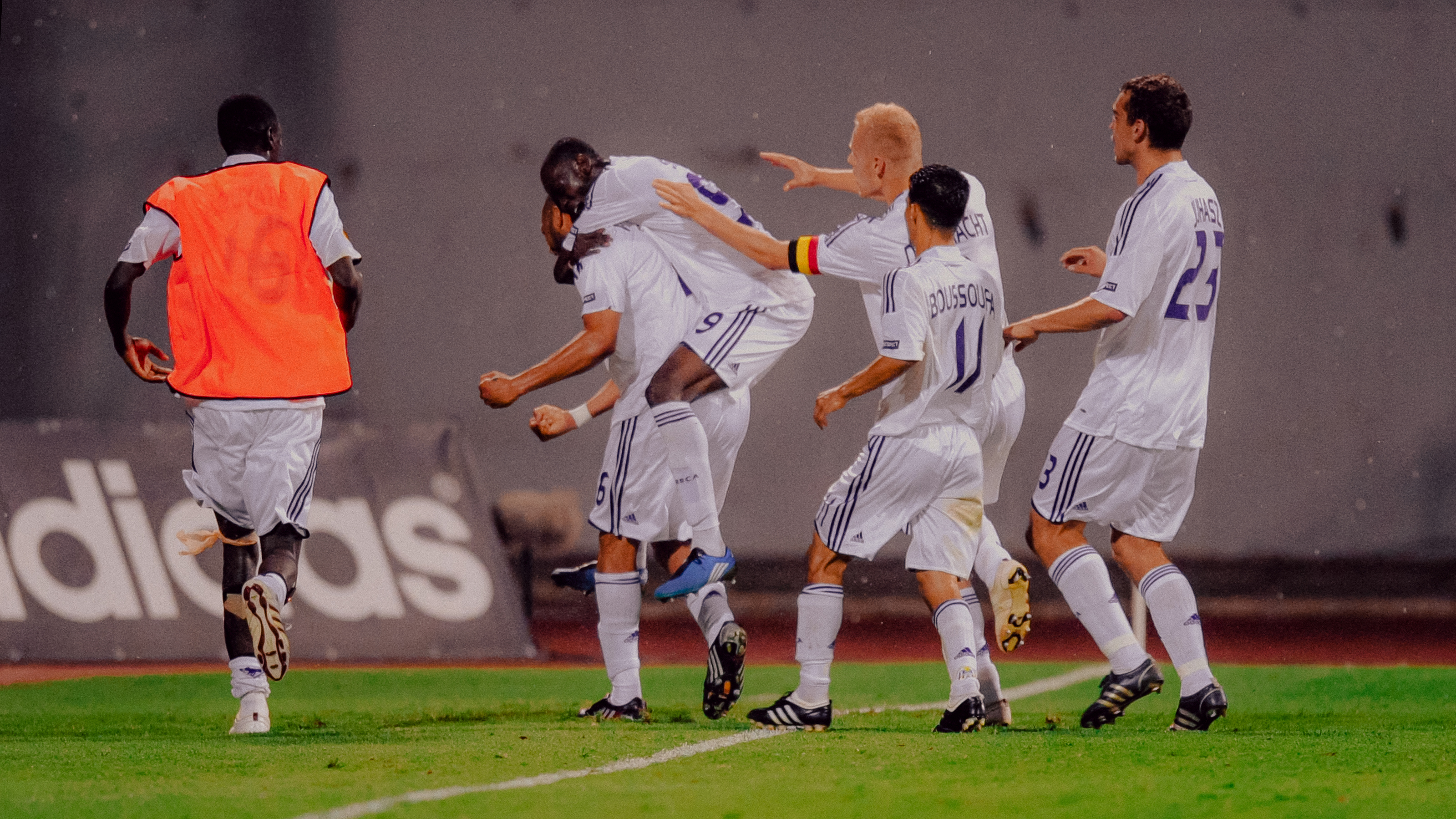
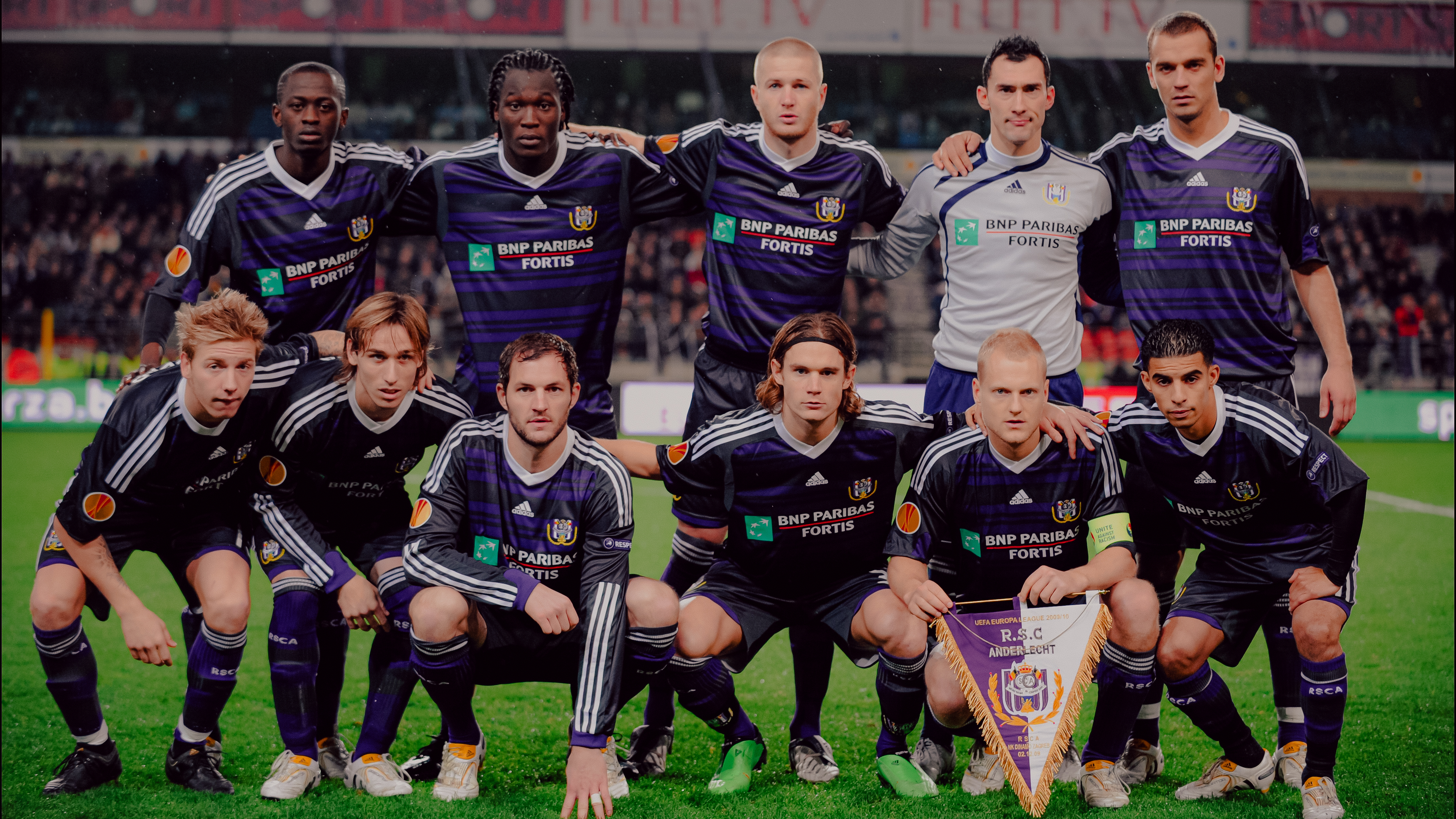
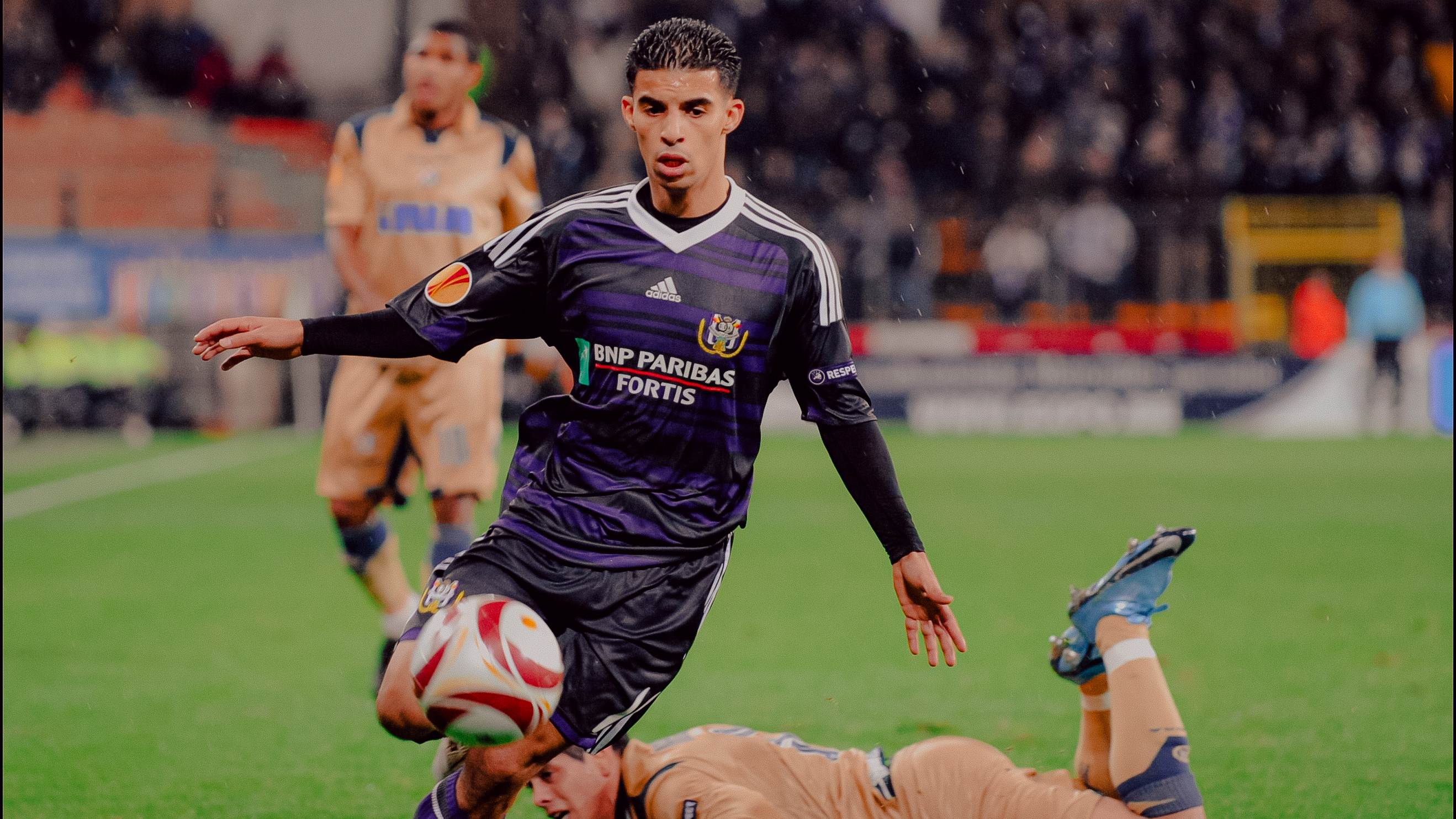
Since the establishment of the Croatian league, Dinamo has dominated domestic football. In 35 seasons, the club has won no fewer than 26 league titles and 18 domestic cups. When its honours from the Yugoslav era are also taken into account, GNK Dinamo Zagreb’s trophy collection becomes even more impressive. The Mauves also have a rich history and have faced the Croatian side four times in European competition. Dinamo hold the advantage in their head-to-head record, with two wins, one draw and just one defeat against Anderlecht. The Croatians have won twice at the Parc Astrid, with victories of 0-1 and 0-2, but have never managed to beat the Mauves on home soil. The two encounters in Zagreb ended 0-2 and 0-0.
The most recent trip to Zagreb took place during the 2018-19 Europa League season and ended in a goalless draw. Hein Vanhaezebrouck’s side enjoyed the majority of possession but failed to overcome their Croatian opponents, who eventually finished top of the group.
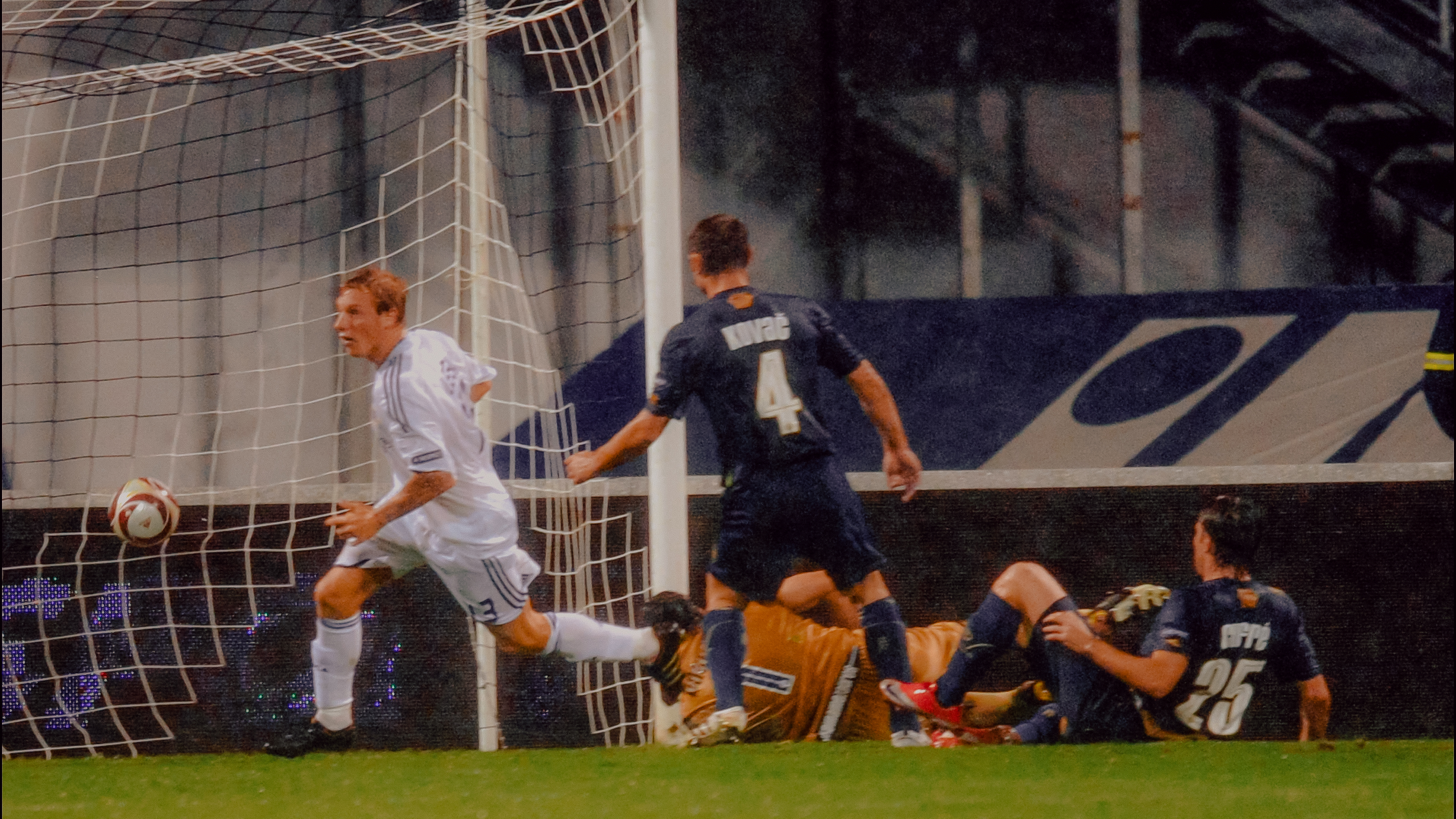
During the 2009-10 season, Anderlecht won on their first European visit to the Croatian capital. Goals from Víctor Bernárdez and Jonathan Legear secured an important victory for Ariël Jacobs’ side, allowing them to finish top of their group. Anderlecht subsequently eliminated Athletic Bilbao before narrowly losing to Hamburg SV.
On Thursday, 15 October, at 21:00, Vítor Bruno’s men will take on the reigning Croatian champions at Maksimir Stadium. The Mauves will be determined to claim their first points of this European campaign in Zagreb.